

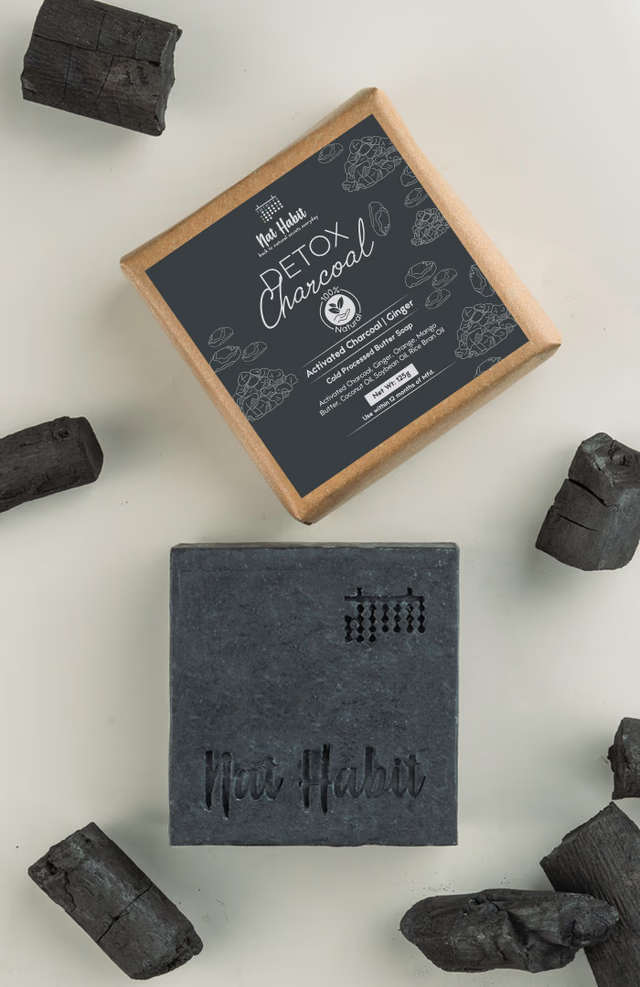
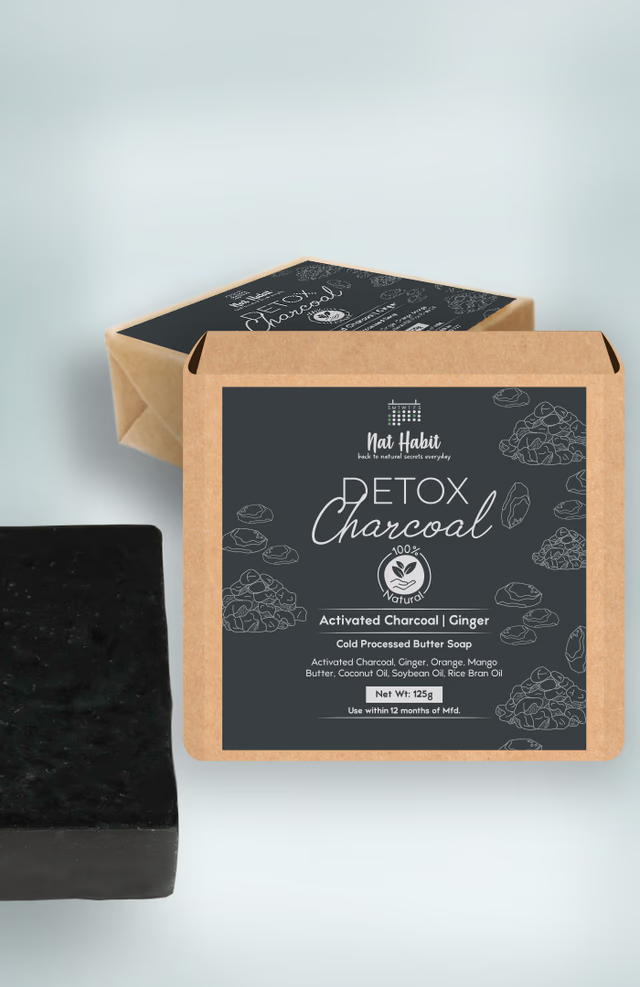
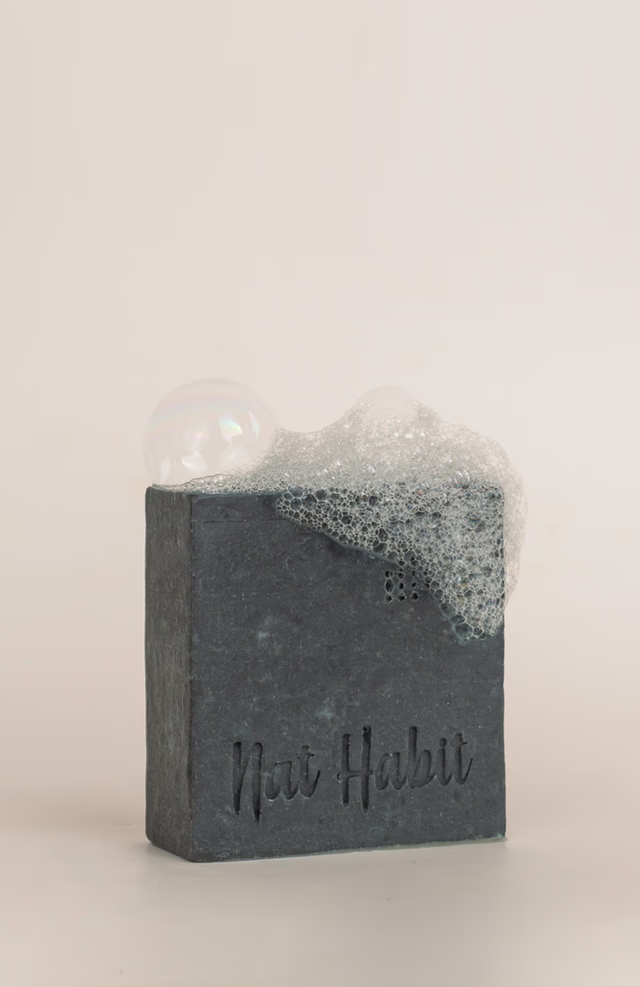
Cold Processed Detox Charcoal Soap
Key Benefits
- Protects skin's natural oils. Non-drying soft cleansing.
- Light exfoliation of dead cells & toxins.
- Fights free radicals protecting skin from aging.
- Clears skin of spots, blemishes, pigmentation & sun tan.
Benefits & Storage
Key Benefits
- Protects skin's natural oils. Non-drying soft cleansing.
- Light exfoliation of dead cells & toxins.
- Fights free radicals protecting skin from aging.
- Clears skin of spots, blemishes, pigmentation & sun tan.
Storage & Expiry
Expiry
Use within 12 months of Mfg. Date.
Storage
Store in cool dry place, away from direct sunlight.
Net Weight
125 g
No reviews yet. Be the first to review this product.
Write a Review
Ask a Question
Login to ask a question.
- Raw Materials: Carbon footprint starts with the extraction or cultivation of raw materials like charcoal (derived from wood, coconut shells, or bamboo). Emissions are generated during harvesting, processing, and transportation to manufacturing facilities.
- Manufacturing: Energy consumption during the soap production process, including mixing, molding, and drying, contributes to the carbon footprint. Emissions from electricity use, fuel for heating, and chemical processes (if any) are considered.
- Packaging: The materials used for packaging and their production processes, transportation to the manufacturer, and end-of-life disposal (recycling or landfilling) contribute to the carbon footprint.
- Transportation: Emissions from transporting raw materials to the manufacturing site, finished products to distribution centers, and from distribution centers to retail stores or directly to consumers.
- Use Phase: While less significant for soap compared to other products, energy consumption by consumers (e.g., hot water use for bathing) could also be considered in a detailed LCA.
- End-of-Life: Emissions associated with the disposal or recycling of packaging and the soap itself after use.
- Biodegradability: Charcoal, especially activated charcoal used in soap, is biodegradable. This means it can break down naturally without causing harm to the environment, unlike synthetic chemicals found in some soaps.
- Renewable Resource: Charcoal is derived from renewable resources such as wood, coconut shells, or bamboo. These materials can be sustainably harvested without depleting natural habitats.
- Minimal Processing: Production of charcoal soap typically involves less processing compared to chemical-laden soaps. This reduces energy consumption and associated greenhouse gas emissions during manufacturing.
- Absorbent Properties: Activated charcoal's ability to absorb impurities makes it effective in cleansing and detoxifying the skin, potentially reducing the need for additional skincare products. This multifunctionality can contribute to overall environmental benefits by reducing consumption.
- Local Sourcing: Depending on the manufacturer, sourcing charcoal locally can further reduce transportation-related emissions, contributing to a lower carbon footprint.
- The Journal of Cleaner Production often publishes studies on sustainable materials and their environmental impacts, including those related to natural products like charcoal.
- Sustainable product certifications or eco-labels may provide specific data on carbon footprint reductions and sustainable practices in soap manufacturing.
Offers
No offers available for this product at the moment.
Contact the vendor for bulk order pricing: nathabit
Please contact the vendor directly for their specific return and shipping policies.
For any inquiries, contact us at info@cleantech-mart.com
Request a Quote
Request date: April 22, 2026
Status: New Quote Request – You will get a quote soon!
Cold Processed Detox Charcoal Soap
Send a request
Product Enquiry
Cold Processed Detox Charcoal Soap
Chat with us!
Cold Processed Detox Charcoal Soap
Shopping Cart
Shipping Address :
Guest
No shipping address found. Please add an address.
—
Cold Processed Detox Charcoal Soap
Price: ₹199.00 per pieces ₹308.00
Estimated Total Amount: ₹199.00