


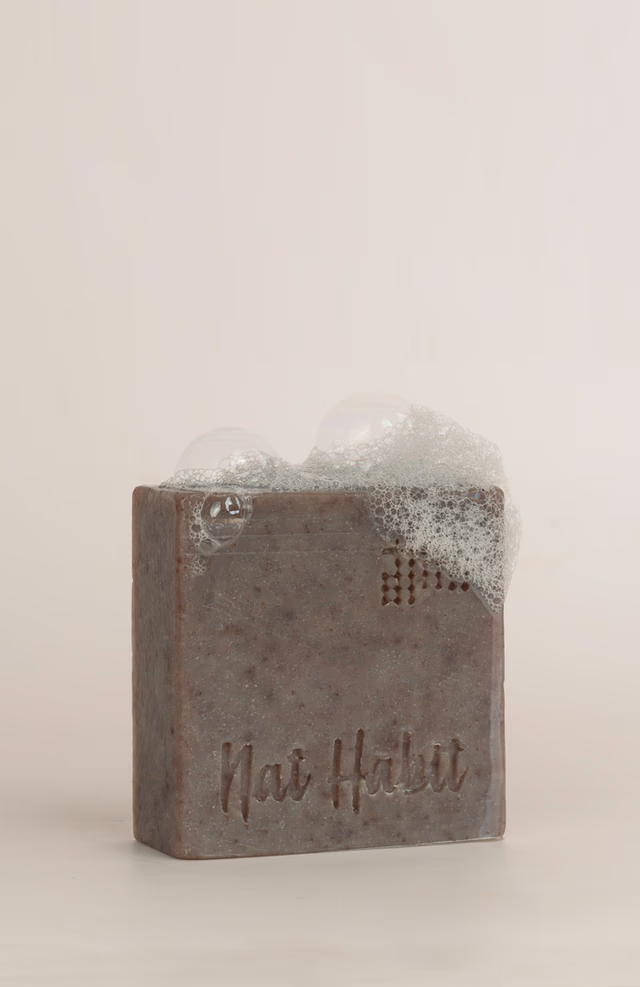
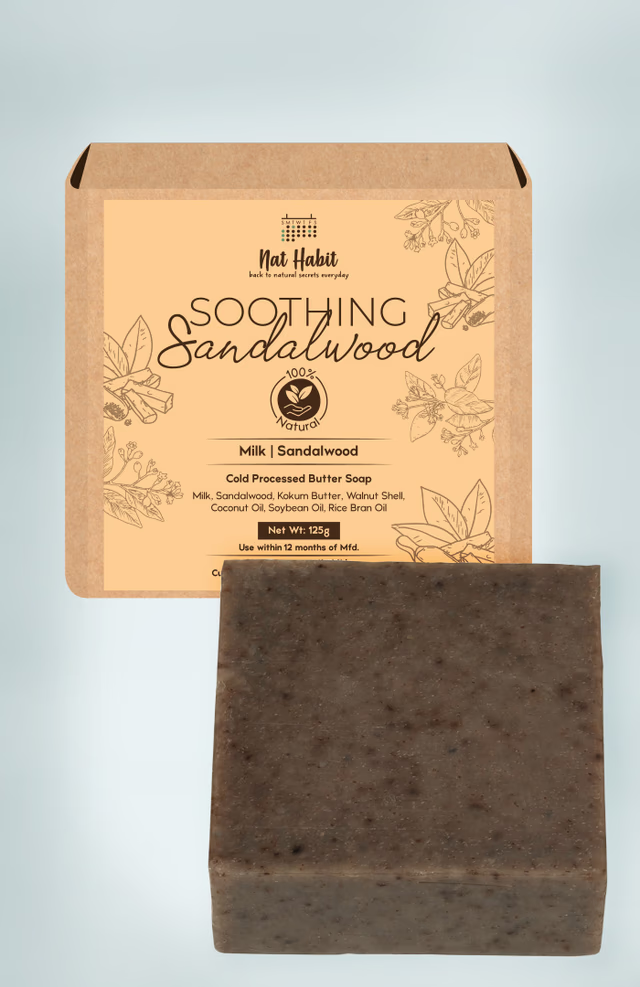
Cold Processed Soothing Sandalwood Soap
Key Benefits
- Protects skin's natural oils. Non-drying soft cleansing.
- Light exfoliation of dead cells & toxins.
- Fights free radicals protecting skin from aging.
- Clears skin of spots, blemishes, pigmentation & sun tan.
Benefits & Storage
Key Benefits
- Protects skin's natural oils. Non-drying soft cleansing.
- Light exfoliation of dead cells & toxins.
- Fights free radicals protecting skin from aging.
- Clears skin of spots, blemishes, pigmentation & sun tan.
Storage & Expiry
Expiry
Use within 12 months of Mfg. Date.
Storage
Store in cool dry place, away from direct sunlight.
Net Weight
125 g
No reviews yet. Be the first to review this product.
Write a Review
Ask a Question
Login to ask a question.
Sustainability of Sandalwood Soap
- Natural Ingredients:
- Sandalwood Oil: Sandalwood is a renewable resource when harvested sustainably. Using sandalwood oil from sustainable plantations helps ensure that the harvesting process does not lead to deforestation or loss of biodiversity. Sustainable practices include replanting and ensuring that sandalwood trees have a chance to mature before being harvested.
- Plant-Based Oils: Many sandalwood soaps use plant-based oils like coconut or olive oil, which are renewable and biodegradable. These oils are often grown in tropical regions where they can be cultivated without extensive use of synthetic fertilizers or pesticides.
- Biodegradability:
- Sandalwood soap is often made with biodegradable ingredients that break down naturally without leaving harmful residues in the environment. This reduces pollution and the impact on aquatic and terrestrial ecosystems.
- Ethical Sourcing:
- Sustainable sandalwood sourcing involves ethical practices that support local communities and avoid illegal logging. Certified sustainable sources are often regulated by environmental standards and certifications.
- Minimal Chemical Additives:
- Many sustainable soaps avoid synthetic additives, which can be harmful to both the environment and human health. Using fewer chemicals reduces the soap's ecological footprint and improves biodegradability.
Low Carbon Footprint of Sandalwood Soap
- Efficient Production Processes:
- Traditional soap-making processes, such as cold processing, are energy-efficient. Cold processing requires less energy than methods that involve high heat or extensive mechanical processing.
- Local Sourcing and Manufacturing:
- Producing soap locally and sourcing ingredients from nearby regions reduces transportation emissions. This can significantly lower the overall carbon footprint compared to products that rely on long-distance shipping.
- Renewable Energy Use:
- Many sustainable manufacturers use renewable energy sources (e.g., solar or wind) in their production facilities, which further reduces the carbon footprint of the soap.
- Packaging:
- Sustainable packaging, such as recycled or minimal packaging, helps lower the carbon footprint by reducing waste and the energy required for packaging production and disposal.
Scientific Explanation
- Lifecycle Assessment (LCA): A scientific method used to evaluate the environmental impacts of a product from raw material extraction to disposal. An LCA of sandalwood soap would likely show lower impacts due to renewable ingredient sourcing, energy-efficient production, and biodegradable nature, all contributing to a lower overall carbon footprint.
- Carbon Sequestration: Sandalwood trees can contribute to carbon sequestration, capturing carbon dioxide from the atmosphere as they grow. Sustainable forestry practices that involve replanting and preserving mature trees enhance this effect.
References for Further Reading
- Sustainable Sandalwood Sourcing: Articles on sustainable forestry practices and sandalwood cultivation often highlight the importance of ethical sourcing and biodiversity conservation.
- Lifecycle Assessments: Studies on the environmental impact of soap products, including their carbon footprints, are valuable for understanding the broader implications of soap production and consumption.
- Biodegradability and Natural Ingredients: Research on the environmental benefits of biodegradable products provides insights into how natural ingredients contribute to sustainability.
Offers
No offers available for this product at the moment.
Contact the vendor for bulk order pricing: nathabit
Please contact the vendor directly for their specific return and shipping policies.
For any inquiries, contact us at info@cleantech-mart.com
Request a Quote
Request date: April 22, 2026
Status: New Quote Request – You will get a quote soon!
Cold Processed Soothing Sandalwood Soap
Send a request
Product Enquiry
Cold Processed Soothing Sandalwood Soap
Chat with us!
Cold Processed Soothing Sandalwood Soap
Shopping Cart
Shipping Address :
Guest
No shipping address found. Please add an address.
—
Cold Processed Soothing Sandalwood Soap
Price: ₹199.00 per pieces ₹308.00
Estimated Total Amount: ₹199.00