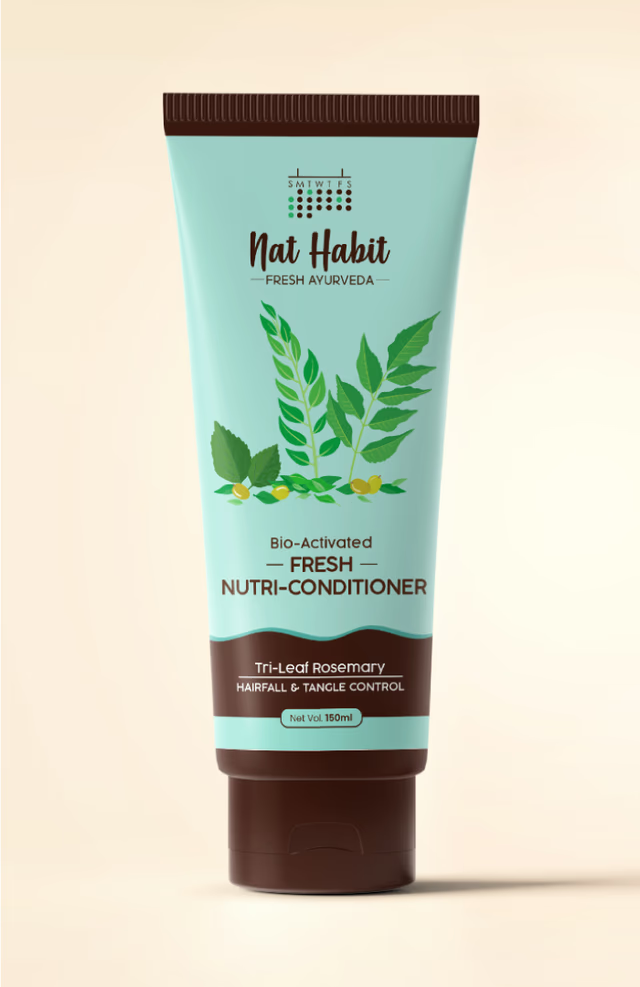
Power of 8 Bio-Activated Conditioners
Why you'll love it
Only Natural Care
✓ Longer Moisture Lock with Power Conditioners
✓ Continuous Damage Repair
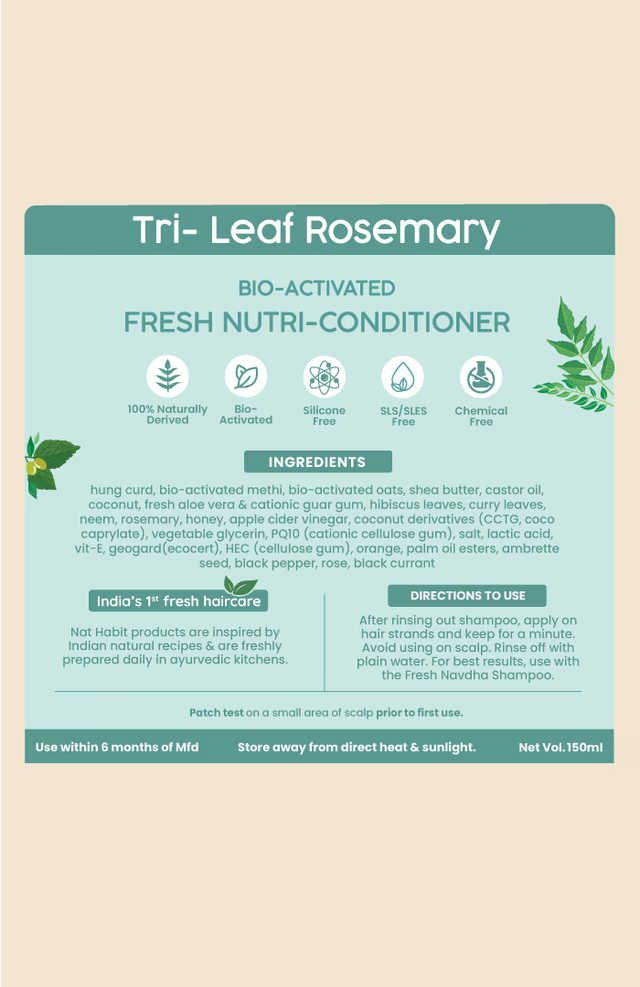
✓ NO Silicones, NO SLS/SLES, NO Chemicals
Active Ingredients & Conditioners
Fresh & whole picks
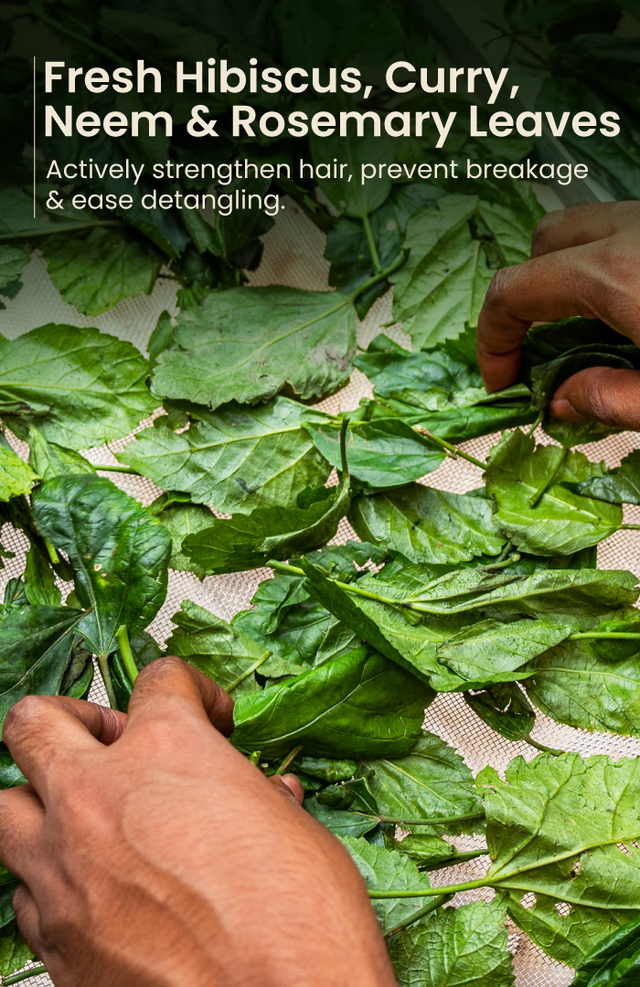
Hibiscus Leaves
Mucilage deeply conditions; easing knots & detangling, flavonoids promotes strength; reducing breakage.
Neem Leaves
Enhances tissue strength; preventing breakage and split ends, hydrates tresses; smoothening and rendering shine.
Curry Leaves
Rich in amino acids; promotes deep shine, alkaloids actively repair and prevent damage, antioxidants treat dryness.
Rosemary Leaves
Reduces hair thinning, improves hair vibrancy and enhances texture, making hair more manageable.
Hung Curd
Rich in protein, deeply moisturises, improves texture, renders shine and enhances softness.
Bio-Activated Methi
Loaded with biotin & riboflavin, locks in moisture, repairs the shaft and enhances moisture absorption.
Bio-Activated Oats
High beta-glucans, phenolic and protein compounds, prevent split ends, promote elasticity and reduce brittleness.
Shea Butter
Loaded with fatty acids, enhances, restores and retains moisture, taming frizz and flyaways, improving elasticity and texture.
Castor Oil
High fatty acids & vit-E, deeply moisturises, enhances shine and prevents sun damage.
Coconut Oil
High fatty acids, reduces protein loss, breakage and damage.
No reviews yet. Be the first to review this product.
Ask a Question
Login to ask a question.
Factors Contributing to Sustainability and Low Carbon Footprint:
- Ingredient Sourcing:
- Natural and Renewable Ingredients: The Tri-Leaf Rosemary Nutri-Conditioner likely uses natural ingredients such as rosemary, which are renewable and have a lower environmental impact compared to synthetic chemicals.
- Sustainable Farming Practices: If the ingredients are sourced from farms that use sustainable agricultural practices (e.g., organic farming, minimal pesticide use, crop rotation), the carbon footprint of ingredient production is reduced.
- Manufacturing Process:
- Energy Efficiency: The manufacturing process may use energy-efficient methods and renewable energy sources (e.g., solar or wind power), which significantly cut down greenhouse gas emissions.
- Waste Minimization: Efficient use of resources and minimization of waste during production contribute to a lower carbon footprint. This includes recycling water and materials within the production facility.
- Packaging:
- Eco-Friendly Packaging: Utilizing recyclable, biodegradable, or minimalistic packaging reduces the environmental impact. Lightweight packaging also contributes to lower emissions during transportation.
- Recycled Materials: Using recycled materials for packaging can further reduce the carbon footprint.
- Distribution:
- Efficient Transportation: Optimizing transportation logistics, such as using electric vehicles or optimizing delivery routes, reduces the carbon emissions associated with product distribution.
- Local Sourcing: Sourcing ingredients and manufacturing products closer to the end market reduces transportation distances and thus carbon emissions.
- End-of-Life Disposal:
- Biodegradable Products: Products designed to be biodegradable or easily recyclable reduce environmental impact at the end of their lifecycle.
- Consumer Education: Providing consumers with information on how to properly dispose of or recycle the product can improve sustainability outcomes.
Scientific Explanation:
Lifecycle Assessment (LCA): A comprehensive method for assessing the environmental impacts of a product through its entire lifecycle—from raw material extraction through production, use, and disposal. A lower carbon footprint in the Tri-Leaf Rosemary Nutri-Conditioner product can be scientifically validated through an LCA that considers:
- Energy Use: Quantifying the total energy consumed during the product's lifecycle. Renewable energy use can significantly lower this metric.
- Emissions: Measuring greenhouse gas emissions (e.g., CO2, methane) associated with each stage of the product lifecycle.
- Resource Efficiency: Evaluating the efficiency of resource use, including water and raw materials, and the impact of sustainable practices on reducing resource depletion.
References and Further Reading:
- Sustainable Agriculture: Studies on the environmental benefits of organic farming and sustainable agricultural practices.
- Gomiero, T., Pimentel, D., & Paoletti, M. G. (2011). Environmental impact of different agricultural management practices: Conventional vs. organic agriculture. Critical Reviews in Plant Sciences, 30(1-2), 95-124.
- Energy Efficiency in Manufacturing: Research on the impact of energy-efficient manufacturing processes.
- Thollander, P., & Palm, J. (2013). Improving energy efficiency in industrial energy systems: An interdisciplinary perspective on barriers, energy audits, energy management, policies, and programs. Springer.
- Life Cycle Assessment (LCA): Comprehensive guidelines and case studies on conducting LCAs.
- Guinée, J. B. (Ed.). (2002). Handbook on Life Cycle Assessment: Operational Guide to the ISO Standards. Springer.
- Packaging Sustainability: The role of eco-friendly packaging in reducing environmental impact.
- Siracusa, V., Rocculi, P., Romani, S., & Dalla Rosa, M. (2008). Biodegradable polymers for food packaging: A review. Trends in Food Science & Technology, 19(12), 634-643.
Offers
No offers available for this product at the moment.
Contact the vendor for bulk order pricing: nathabit
Please contact the vendor directly for their specific return and shipping policies.